Global Tea Export Excellence

Reaching out to global markets with quality Indian teas

From Indian Gardens to Global Markets

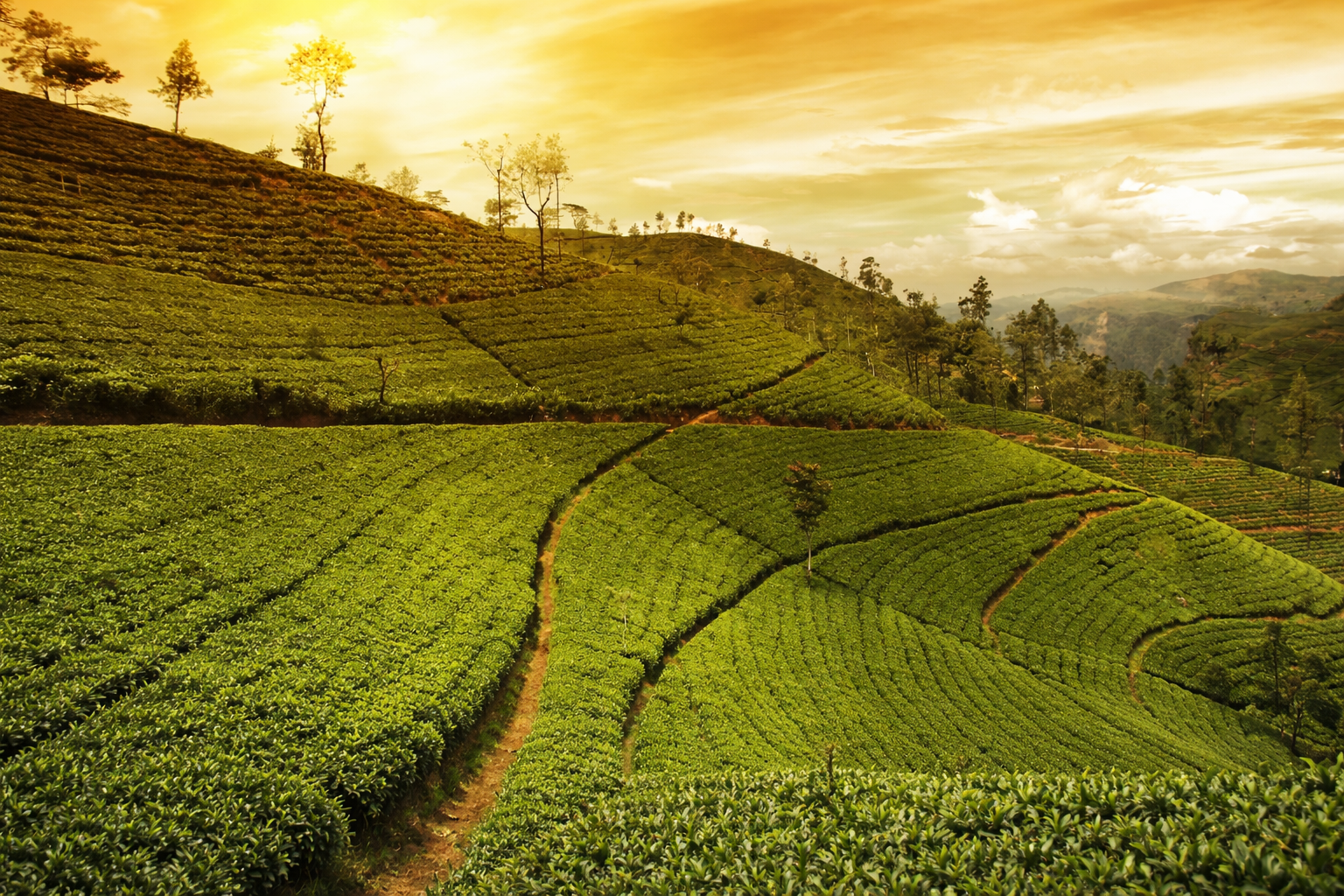
Tea export involves the international trade of tea products from producing countries to importing nations around the world. It begins with the cultivation and harvesting of tea leaves on plantations or estates. Once harvested, the leaves undergo processing, which may include drying, rolling, oxidizing, or fermenting, depending on the desired type of tea.

After processing, the tea is packaged into various formats such as loose leaf, tea bags, or ready-to-drink products. We handle logistics, including transportation, customs clearance, and documentation, to deliver the tea products to overseas markets. Effective marketing strategies, market research, and partnerships with importers facilitate the expansion of tea exports and promote the global consumption of tea.

Why Choose RNS Tea?
Premium Darjeeling and Assam (CTC and Orthodox) teas
Tea bags with soft and hard tags, single and double chambers
Exports to Middle East, Germany, Japan, Netherlands, UK, USA
Strict quality control meeting international standards
Tea Processing

Global Export Markets

Serving discerning tea lovers across the globe

International Presence

We are one of the top exporters of tea from India, offering premium Darjeeling and Assam (CTC and Orthodox) teas at affordable costs to the global market. If we didn't offer incredibly individualized, effective, and timely services, this would not be feasible.

Quality control measures ensure that tea products meet industry standards and customer expectations. At the moment, we export Indian tea to:

Middle East

Major Markets: UAE, Saudi Arabia

Germany

Premium Market Segment

Japan

Quality Conscious Market

Netherlands

Distribution Hub

United Kingdom

Traditional Tea Market

United States

Growing Specialty Market

Global Tea Distribution

Our Export Process

From cultivation to delivery - ensuring excellence at every step

1

Cultivation

Careful selection of tea gardens at optimal altitudes with sustainable farming practices.

2

Processing

Traditional withering, rolling, oxidation, and drying to preserve natural flavors.

3

Quality Control

Rigorous testing for aroma, flavor, color, and purity at every stage.

4

Logistics

Efficient supply chain management with temperature-controlled transportation.